1. შესავალი
This manual provides essential information for the proper installation, operation, and maintenance of the TURCK TW-R50-B128 HF Data Carrier. The TW-R50-B128 is a high-frequency (HF) RFID data carrier designed for industrial applications, featuring 128 bytes of EEPROM memory and a 50 mm diameter.
It operates at 13.56 MHz and is identified by part number 6900504. This device is suitable for various data storage and identification tasks within automated systems.
2. პროდუქტი დასრულდაview
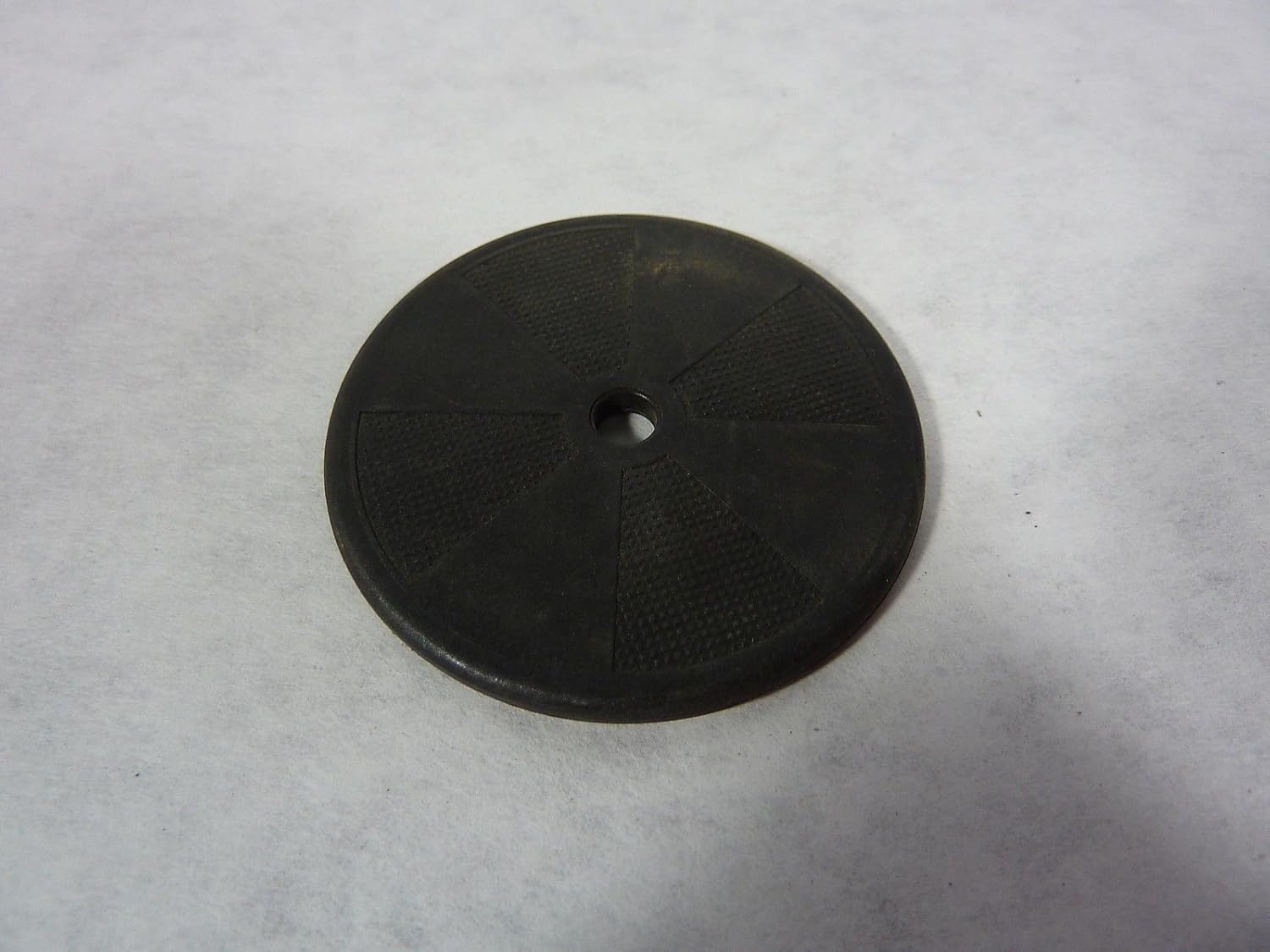
სურათი 2.1: ზედა view of the TURCK TW-R50-B128 data carrier. This image displays the circular form factor of the data carrier, approximately 50 mm in diameter, with a small central hole for mounting. The surface appears textured or segmented.

სურათი 2.2: ზედა view of the TURCK TW-R50-B128 data carrier showing branding. This image highlights the "TURCK" logo and "TW-R50-B128 BL ident" text printed in yellow on the black circular surface, confirming the model and manufacturer.
3. დაყენება და ინსტალაცია
The TURCK TW-R50-B128 data carrier is designed for easy integration into various industrial environments. Proper installation ensures optimal performance and longevity.
3.1 მონტაჟის საკითხები
- მდებარეობა: Choose a mounting location that is free from excessive vibration, extreme temperatures, and strong electromagnetic interference from other devices.
- მასალა: Avoid mounting the data carrier directly on or within metallic surfaces, as this can significantly reduce the read/write range and performance of the HF tag. If mounting on metal is unavoidable, use a suitable spacer (e.g., plastic, non-metallic material) to create a minimum air gap of 10-20 mm between the tag and the metal surface.
- ორიენტაცია: Ensure the data carrier is oriented correctly relative to the RFID read/write head for optimal signal coupling.
3.2 ფიზიკური მონტაჟი
- Identify a flat, clean surface for mounting.
- Secure the data carrier using a non-metallic fastener through the central mounting hole. Ensure the fastener is tightened sufficiently to prevent movement but not overtightened, which could damage the tag.
- Verify that the data carrier is firmly attached and stable in its intended position.
4. საოპერაციო ინსტრუქციები
The TURCK TW-R50-B128 is a passive HF RFID data carrier, meaning it does not require an internal power source. It is powered by the electromagnetic field generated by a compatible RFID read/write head.
4.1 Data Read/Write Operations
- თავსებადობა: Ensure you are using an RFID read/write head compatible with 13.56 MHz HF RFID tags (ISO/IEC 15693 standard).
- სიახლოვე: Bring the data carrier within the operational read/write range of the RFID head. The exact range depends on the read/write head's power and antenna design, as well as environmental factors.
- მონაცემთა წვდომა: Use the appropriate software or control system connected to your RFID read/write head to initiate read or write commands to the data carrier's 128-byte EEPROM memory.
- მონაცემთა მთლიანობა: Always verify data after writing to ensure successful storage.
4.2 მეხსიერების სტრუქტურა
The 128-byte EEPROM memory can be used to store various types of data, such as product identification numbers, manufacturing dates, maintenance logs, or process parameters. Refer to your RFID system's documentation for specific memory mapping and data handling protocols.
5. მოვლა
The TURCK TW-R50-B128 data carrier is a robust and low-maintenance device. Regular inspection can help ensure its continued performance.
- დასუფთავება: If necessary, clean the surface of the data carrier with a soft, damp cloth. Avoid abrasive cleaners or solvents that could damage the housing.
- ფიზიკური შემოწმება: Periodically check for any physical damage, such as cracks, chips, or deformation, which could affect performance.
- სამონტაჟო უსაფრთხოება: Ensure the data carrier remains securely mounted and has not become loose due to vibration or impact.
6. Დიაგნოსტიკა
If you encounter issues with the TURCK TW-R50-B128 data carrier, consider the following common troubleshooting steps:
| პრობლემა | შესაძლო მიზეზი | გამოსავალი |
|---|---|---|
| Data carrier not detected or read/write errors. |
|
|
| Inconsistent read/write performance. |
|
|
7. სპეციფიკაციები
| ატრიბუტი | ღირებულება |
|---|---|
| მოდელის ნომერი | TW-R50-B128 |
| ნაწილის ნომერი | 6900504 |
| მეხსიერების ტიპი | EEPROM |
| მეხსიერების ზომა | 128 ბაიტი |
| ოპერაციული სიხშირე | 13.56 MHz (HF) |
| დიამეტრი | 50 მმ |
| კატეგორია | RFID Accessory, Data Carrier |
| მწარმოებელი | TURCK |
8. გარანტია და მხარდაჭერა
For specific warranty information regarding the TURCK TW-R50-B128 data carrier, please refer to the official TURCK warranty policy available on their website or contact your authorized TURCK distributor.
For technical support, product inquiries, or assistance with troubleshooting beyond the scope of this manual, please contact TURCK customer service or your local technical support representative. Contact details can typically be found on the official TURCK webსაიტი: www.turck.com


