SINOTIMER MC901-611 Universal Intelligent Temperature Control Meter User Manual
ბრენდი: სინოტიმერი
მოდელი: MC901-611
1. შესავალი
The SINOTIMER MC901-611 is a universal intelligent temperature control meter designed for precise temperature regulation in various industrial and laboratory applications. This device features a clear LCD display, multiple input types, and reliable output options, making it suitable for a wide range of temperature control needs. This manual provides essential information for the safe and effective operation, installation, and maintenance of your MC901-611 temperature controller.
2. უსაფრთხოების ინფორმაცია
Please read this manual thoroughly before operating the device to ensure safe and correct usage. Keep this manual for future reference.
უსაფრთხოების ზოგადი ზომები:
- დარწმუნდით, რომ კვების ბლოკიtage matches the specifications of the device (100-240V AC, 50/60Hz).
- Do not operate the device in environments with excessive dust, humidity, corrosive gases, or strong vibrations.
- Disconnect power before performing any wiring, maintenance, or inspection.
- მხოლოდ კვალიფიციურმა პერსონალმა უნდა განახორციელოს მონტაჟი და გაყვანილობა.
- Avoid touching internal components when the device is powered on.
- უზრუნველყოს სათანადო დამიწება ელექტროშოკის თავიდან ასაცილებლად.
- არ დაშალოთ ან შეცვალოთ მოწყობილობა. უნებართვო მოდიფიკაციებმა შეიძლება გააუქმოს გარანტია და საფრთხე შეუქმნას უსაფრთხოებას.
3. პროდუქტი დასრულდაview
The MC901-611 temperature controller features a compact design with a clear digital display and intuitive control buttons.

სურათი 3.1: წინა პანელი
This image displays the front panel of the MC901-611. It features two digital displays: PV (Process Value) in red, showing the current temperature, and SV (Set Value) in green, showing the target temperature. Below the displays are indicator lights for OUT (Output), AT (Auto-tuning), ALM1 (Alarm 1), and ALM2 (Alarm 2). The control buttons include SET, R/S (Run/Stop), Down arrow, and Up arrow.
ძირითადი კომპონენტები:
- PV ეკრანი: Shows the current measured temperature (Process Value).
- SV ეკრანი: Shows the set target temperature (Set Value).
- ინდიკატორის ნათურები: OUT (Output status), AT (Auto-tuning status), ALM1 (Alarm 1 status), ALM2 (Alarm 2 status).
- საკონტროლო ღილაკები: SET (Enter/Confirm settings), R/S (Run/Stop), Up/Down arrows (Adjust values).
- ტერმინალის ბლოკი: Located at the rear for electrical connections.
- სამონტაჟო ფრჩხილები: For secure panel installation.

Figure 3.2: Side Panel with Specifications Label
This image shows the side of the MC901-611, highlighting the product label. The label provides crucial information such as Model (MC901-611), Input type (K, default setting), Temperature Range (0-1300°C), Temperature Unit (Celsius/Fahrenheit), Output type (Relay/SSR), Alarm (ALM1), Accuracy Class (0.5), and Power Supply (100-240V AC, 50/60Hz).
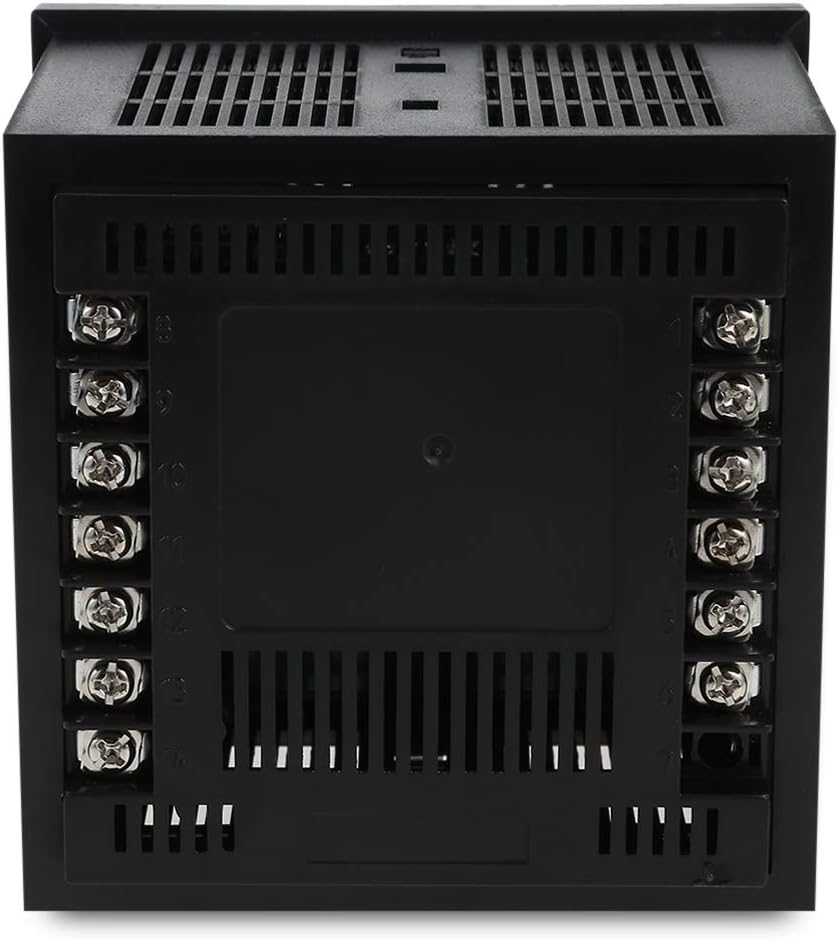
Figure 3.3: Rear Panel with Terminal Block
This image displays the rear of the MC901-611, featuring the terminal block for electrical connections. The terminals are clearly numbered, indicating where to connect power, sensor inputs, and control outputs. Proper wiring according to the provided diagram is essential for safe and correct operation.
4. დაყენება და ინსტალაცია
4.1 Panel Mounting:
The MC901-611 is designed for panel mounting. Ensure the cutout dimensions in your panel match the device's specifications.
- Cut an opening in your panel according to the specified dimensions (refer to specifications section for exact size).
- Insert the MC901-611 into the panel cutout from the front.
- Attach the provided mounting brackets to the sides of the controller from the rear of the panel.
- Tighten the screws on the mounting brackets to secure the controller firmly in place. Do not overtighten.
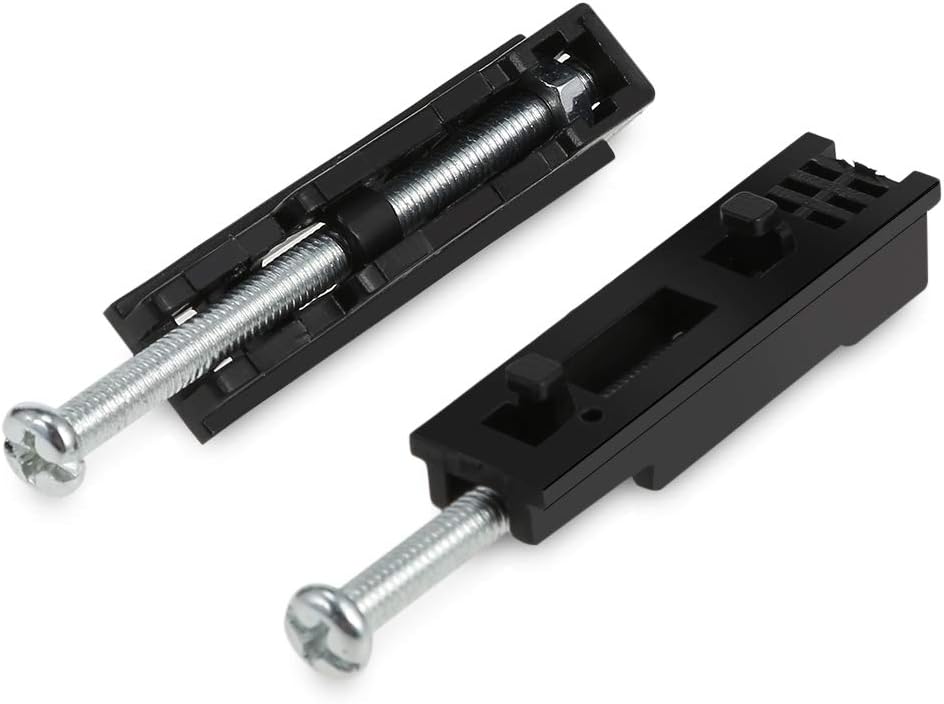
სურათი 4.1: სამონტაჟო ფრჩხილები
This image shows the two mounting brackets included with the MC901-611. These brackets are used to secure the temperature controller firmly within a panel cutout, ensuring stable installation.
4.2 გაყვანილობის დიაგრამა:
Refer to the wiring diagram on the side of the unit or in the detailed manual for correct connections. Ensure all connections are secure and insulated.
- ელექტრომომარაგება: Connect the main power supply (100-240V AC, 50/60Hz) to the designated terminals.
- სენსორის შეყვანა: Connect your temperature sensor (e.g., K-type thermocouple) to the sensor input terminals. Ensure correct polarity for thermocouples.
- კონტროლის გამომავალი: Connect your heating/cooling element or SSR to the control output terminals.
- Alarm Output (Optional): If using alarm functions, connect external alarm devices to the alarm output terminals.
Note: A detailed wiring diagram is typically provided on the physical unit or in a separate wiring guide. Always consult the specific diagram for your model.
5. საოპერაციო ინსტრუქციები
5.1 ჩართვა:
Once wired correctly, apply power to the unit. The PV display will show the current temperature, and the SV display will show the last set temperature.
5.2 Setting the Target Temperature (SV):
- დააჭირეთ SET button once. The SV display will start flashing.
- გამოიყენეთ Up (▲) და ქვემოთ (▼) arrow buttons to adjust the target temperature.
- დააჭირეთ SET button again to confirm the new SV and exit the setting mode. The SV display will stop flashing.
5.3 პარამეტრის პარამეტრები:
To access advanced parameter settings (e.g., input type, control mode, alarm settings):
- დააჭირეთ და გააჩერეთ SET button for approximately 3-5 seconds until the first parameter code appears on the PV display.
- გამოიყენეთ Up (▲) და ქვემოთ (▼) arrow buttons to navigate through different parameter codes.
- დააჭირეთ SET რომ view the value of the currently displayed parameter.
- გამოიყენეთ Up (▲) და ქვემოთ (▼) arrow buttons to change the parameter value.
- დააჭირეთ SET to confirm the new value and return to the parameter code display.
- To exit parameter setting mode, press and hold the SET button again for 3-5 seconds, or wait for the device to automatically exit after a period of inactivity.
Consult the full product manual for a complete list of parameter codes and their functions.
5.4 Auto-tuning (AT):
Auto-tuning helps the controller optimize its PID parameters for stable and accurate temperature control. This process is recommended after initial setup or if control performance is unsatisfactory.
- Set the desired target temperature (SV).
- დააჭირეთ და გააჩერეთ რ/ს button for approximately 3-5 seconds. The AT indicator light will illuminate, and the controller will begin the auto-tuning process.
- Allow the auto-tuning process to complete. This may take some time as the controller cycles the output to learn the system's characteristics. The AT light will turn off once tuning is complete.
- Do not interrupt the auto-tuning process.
6. მოვლა
Regular maintenance ensures the longevity and optimal performance of your MC901-611 temperature controller.
- დასუფთავება: Disconnect power before cleaning. Use a soft, dry cloth to wipe the surface of the unit. Do not use abrasive cleaners, solvents, or water, as these can damage the display or internal components.
- ინსპექტირება: Periodically check all wiring connections for looseness or damage. Ensure the terminal screws are tight.
- გარემო: დაზიანების თავიდან ასაცილებლად, დარწმუნდით, რომ სამუშაო გარემო რჩება მითითებულ ტემპერატურასა და ტენიანობაში.
- სენსორის შემოწმება: If temperature readings appear inaccurate, check the sensor and its wiring for damage or corrosion.
7. Დიაგნოსტიკა
This section addresses common issues you might encounter with your MC901-611 temperature controller.
| პრობლემა | შესაძლო მიზეზი | გამოსავალი |
|---|---|---|
| ეკრანი არ არის/გამორთულია | No power supply; Loose wiring; Blown fuse. | Check power connection; Verify wiring; Replace fuse if necessary (by qualified personnel). |
| PV display shows "HHHH" or "LLLL" | Sensor open circuit (HHHH); Sensor short circuit or reverse connection (LLLL); Sensor type mismatch. | Check sensor wiring and connections; Ensure correct sensor type is selected in parameters. |
| Temperature not controlled accurately | Incorrect PID parameters; Sensor not properly installed; Load capacity mismatch. | Perform auto-tuning; Ensure sensor is in good thermal contact with the process; Verify output capacity matches load. |
| Output indicator (OUT) not lighting up | SV is equal to PV (no control action needed); Output wiring issue; Internal fault. | Check SV and PV values; Inspect output wiring; If problem persists, contact support. |
თუ პრობლემა ამ გადაწყვეტილებების მცდელობის შემდეგაც არ მოგვარდება, გთხოვთ, დაუკავშირდეთ მომხმარებელთა მხარდაჭერის სამსახურს.
8. სპეციფიკაციები
Technical specifications for the SINOTIMER MC901-611 Universal Intelligent Temperature Control Meter.
| ფუნქცია | სპეციფიკაცია |
|---|---|
| მოდელი | MC901-611 |
| შეყვანის ტიპი | K (default setting), Universal Input |
| ტემპერატურის დიაპაზონი | 0-1300°C (depending on sensor type) |
| ტემპერატურის ერთეული | Celsius/Fahrenheit selectable |
| გამომავალი ტიპი | Relay/SSR |
| განგაში | ALM1 |
| სიზუსტის კლასი | 0.5 |
| ელექტრომომარაგება | 100-240V AC, 50/60Hz |
| ჩვენების ტიპი | LCD |
| ნივთის წონა | 8.8 უნცია |
| პაკეტის ზომები | 4.3 x 4.3 x 3.6 ინჩი |
9. გარანტია და მხარდაჭერა
საგარანტიო ინფორმაცია:
SINOTIMER products are typically covered by a limited warranty against defects in materials and workmanship. Please refer to the warranty card included with your product or contact SINOTIMER customer service for specific warranty terms and conditions.
მომხმარებელთა მხარდაჭერა:
For technical assistance, troubleshooting beyond this manual, or warranty claims, please contact SINOTIMER customer support. Have your product model number (MC901-611) and purchase information ready when contacting support.
Contact information for SINOTIMER can usually be found on their official webსაიტზე ან პროდუქტის შეფუთვაზე.


